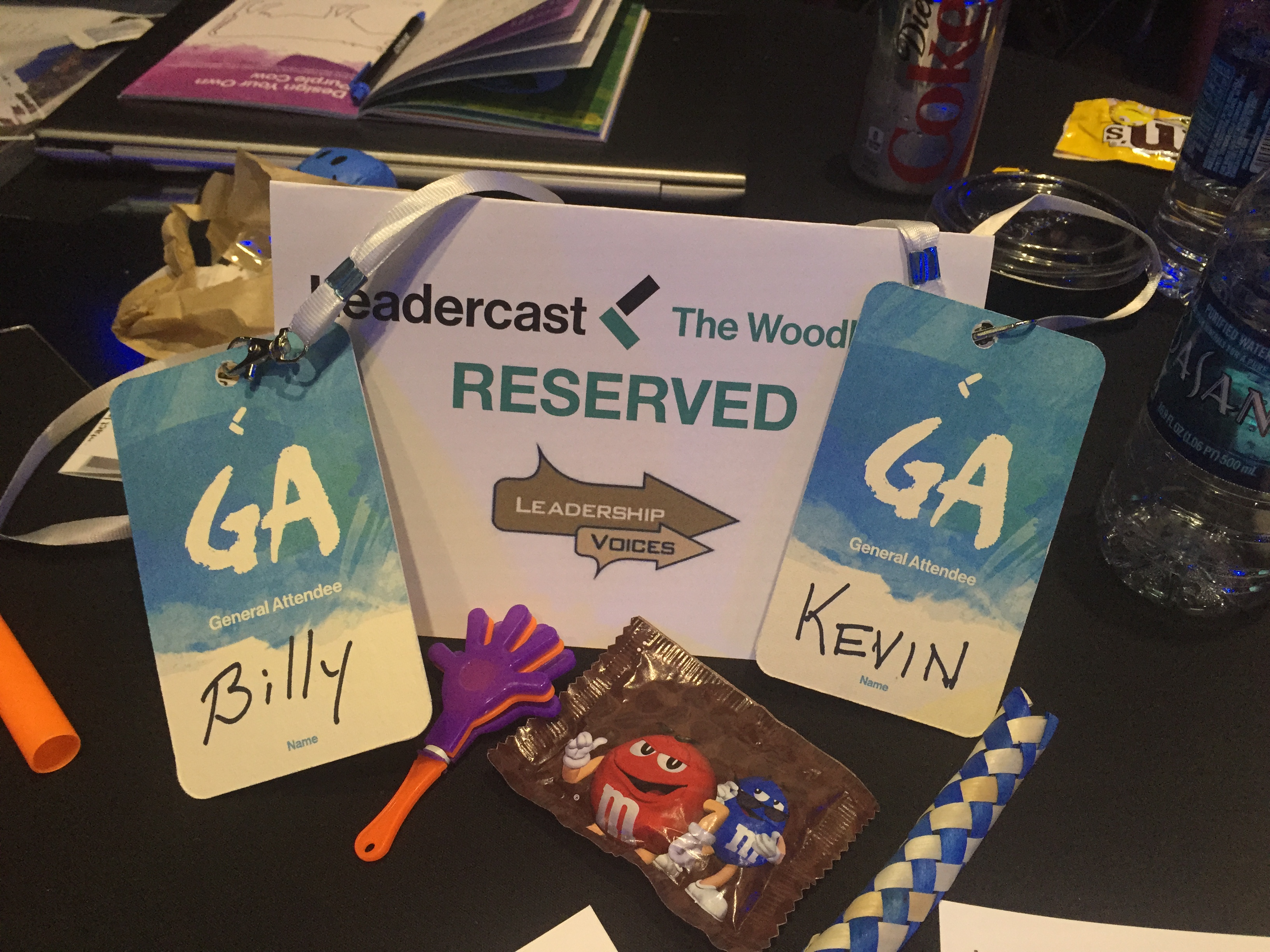
Some Thoughts From Leadercast 2015

IMG_0554

I had the great opportunity to attend Leadercast 2015 last week and I wanted to take a few minutes to share what I took away from the event. Besides almost unlimited Chick-fil-A, I got to spend most of the day with a great leader and friend, Kevin Bowser.

I am sure that most of our dedicated readers will not be surprised to find out the majority of my take a ways are from CMDR (RET) Rourke Denver, a former Navy SEAL and true American hero. The two topics I want to discuss today are confidence, and change. Two things that I feel are important to Leadership, and the way CMDR Denver discussed them, really made them stick.

“No One can make you feel inferior, without your consent.”
Eleanor Roosevelt

I would like to start with a story CMDR Denver told us about an airplane trip he took shortly after he retired from active duty:

Click here to read the rest of the article »

What to Do When You Don’t Know What to Do

What to do when you don't know what to do

What should we do when we don’t know what to do? You know the times I am talking about. Things seem to be coming at you a bit too hard and a bit too fast. Yesterday you thought you had it handled but today things are a bit too much. What do you do when it seems like things aren’t headed in a good direction and something needs to change quick before the situation either explodes or implodes and leaves nothing but pieces in its aftermath?

Many times we find ourselves doing a number of similar things each time things get a bit out of control:

  • Decompress
  • Self-medicate (through drugs, caffeine, nicotine, food, etc)
  • Rest and relaxation
  • Escape
  • Comfort aids (food, drink, music, other)

But are these the right things to do? What happens when we take this approach?

Click here to read the rest of the article »
A Mother’s Love Affects the Brain

Mother - Brain

No wait!  That isn’t a setup line for a punchline. A recent study shows that nurturing a child early in life may help him or her develop a larger hippocampus, the region of the brain that is important for learning, memory and stress responses.

Brain images have now revealed that a mother’s love physically affects the volume of her child’s hippocampus. In the study, children of nurturing mothers had hippocampal volumes 10 percent larger than children whose mothers were not as nurturing. And research has suggested a link between a larger hippocampus and better memory.

One of the study authors had this to say; “We can now say with confidence that the psychosocial environment has a material impact on the way the human brain develops.” Dr. Joan Luby, the study’s lead researcher and a psychiatrist at the Washington University School of Medicine in St. Louis, MO said, “It puts a very strong wind behind the sail of the idea that early nurturing of children positively affects their development.”

What Did the Researchers Do?

Click here to read the rest of the article »

Today’s Task: Sharpen Your Sword

Sword

Stephen Covey popularized the notion in his book, The Seven Habits of Highly Effective People, that we must take time to stop and sharpen our saw from time to time if we are going to successfully cut down the trees and saw the logs that are before us on a daily basis.

And here is one of my favorite sources for quotes, Sir Winston Churchill. He said,

“When the battle drum beats, it is too late to sharpen your sword.”

So, today, I stop and address the topmost task on my ToDo List today: Sharpen the sword.

There are few places as inspiring and motivating as Leadercast when it comes to allowing us a time to stop and listen to some folks with very sharp swords. It also provides me some time and the opportunity to interact with folks who are equally concerned about putting an edge on their swords. Today, I join with many thousands of leaders from all walks of life in participating in one of the Leadership local simulcasts.

I do not know when the battle drum will beat and I will need my sword and will need it to be sharp. So, in the lull between battles, I find the time to tend to that task.

What is the leadership lesson?

The leadership lesson is

Click here to read the rest of the article »

EI Outside the Workplace

EI Outside the Workplace

I spent a great deal of time earlier in the week extolling the virtues of Emotional Intelligence in the workplace. And I still believe there is a significant need for and benefit from increasing our EI/EQ and using that increased knowledge and wisdom in the workplace.

But, let me attempt to make a compelling case, and in fact a greater case, for emotional intelligence outside the office and in the home.

Consider the Emotionally Intelligent Husband

The emotionally intelligent husband is a step above the husband who is not aware of his emotional intelligence nor has he raised his emotional intelligence. What defines an emotionally intelligent husband is one who has figured out a secret to marriage that other husbands haven’t yet. That little secret, although it is actually pretty elementary, can actually be pretty difficult to develop because it requires him to become more aware of his wife and her needs. And this is contrary to human nature and a pop culture that says that it is all about me.

Like many husbands, the emotionally intelligent husband has learned to respect and honor his wife. But here is where the EI husband separates himself from the others.

Click here to read the rest of the article »

EI and the Collaborative Work Environment

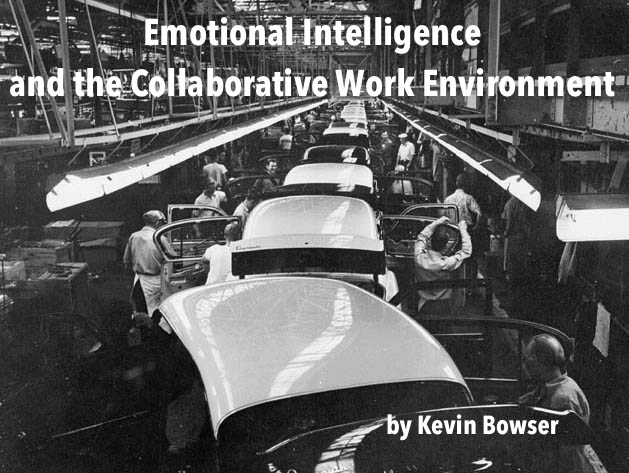
Assembly Line

Look. I am here to do a job. I am not here to make nice with everyone.


Have you ever heard that? Have you ever said that? If so, you are probably not alone. But you are also probably a little out of touch with today’s work environment.

Gone are the days when you came to work, closed your office door and went about your daily tasks in the quiet and solitude of your office. Gone are the days when you only ventured out of your office to go to the coffee machine and bathroom. Today’s new office environment is about “Collaboration”. And collaboration is not a solo activity. It is team sport.

The old adage about leaving your emotions at the door before stepping into the office is dead, according to a recent study from the University of Bonn. Published in the Journal of Organizational Behavior in November 2014, the study showed individuals who displayed emotional intelligence—the ability to discern other people’s emotions—were more likely to bring home a bigger paycheck than their emotionally-stunted colleagues. In other words, those that are able to collaborate successfully and positively with their colleagues may be more financially successful.

The New Collaborative Workplace Is Different

There was a certain level of cooperation needed in the manufacturing economy of the past. But that economy was focused on productivity, efficiency, and was largely solo driven work an assembly line. These days collaboration and teamwork are emphasized—making emotional intelligence more important in the workplace.

Click here to read the rest of the article »
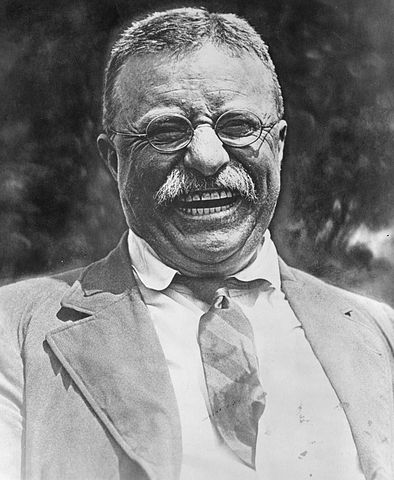
Teddy RooseveltThe best executive is the one who has sense enough to pick good men to do what he wants done, and self-restraint to keep from meddling with them while they do it.

Theodore Roosevelt

Leadership As Helping

Leadership As Helping

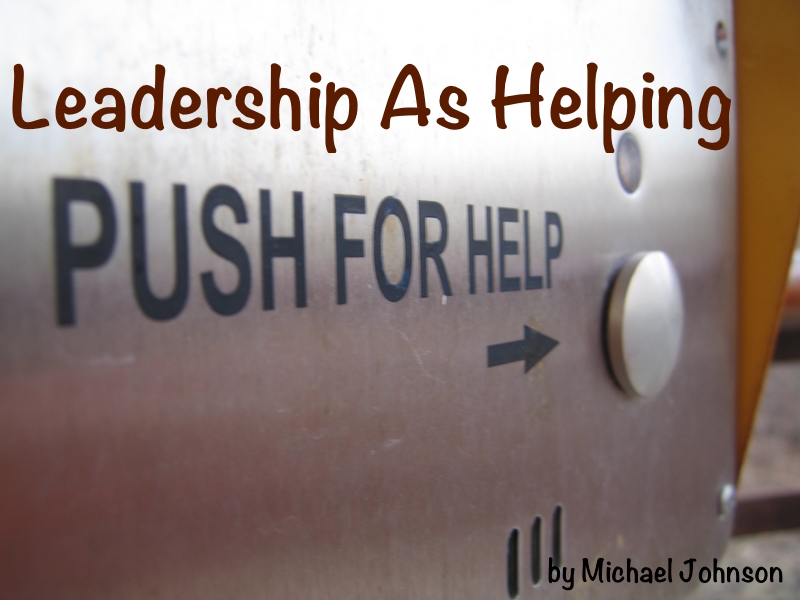
Everyone needs some help with something. Some people need money; others need wisdom; still others just need a chance. You know what I mean, because right now if you were to take the time and consider the question you could probably produce a list of things you could use some help with.

I also remind you that the help you so often need resides in some person you already know. Putting it another way: you have some gift, some talent, some ability, some provision that can help someone else. That’s the beautiful thing about this world and the way it was created is that within our collective grasp are the tools to help one another in many meaningful ways.

The hard part is

Click here to read the rest of the article »

Lazy Leadership

OLYMPUS DIGITAL CAMERA

Lazy Leaders come in all shapes and sizes. They are typically more on the conflict avoidance side and prefer uncomplicated, simple solutions. Rather than digging into a problem or addressing an issue, they want to get through it as quickly as possible. They do not often build relationships with their staff and do not see the value in anything that takes time.

So why is this harmful? They make rash decisions lazy leaders do not like taking time to think things through. They want a solution now so they can move on to the next thing. Rather than look at all the facts they may chose the path that seems to resolve the problem the quickest even if that solution is not the best in long run.

They are good at delegating. Wait, delegating is a good thing right? Sure, when the person the task is being delegated too has good direction and a leader helping them make good decisions. The lazy leader is likely to delegate just to get it off his/her plate and not have to think about it again.

Click here to read the rest of the article »

Nurturing Young Leaders

Nurse Tree

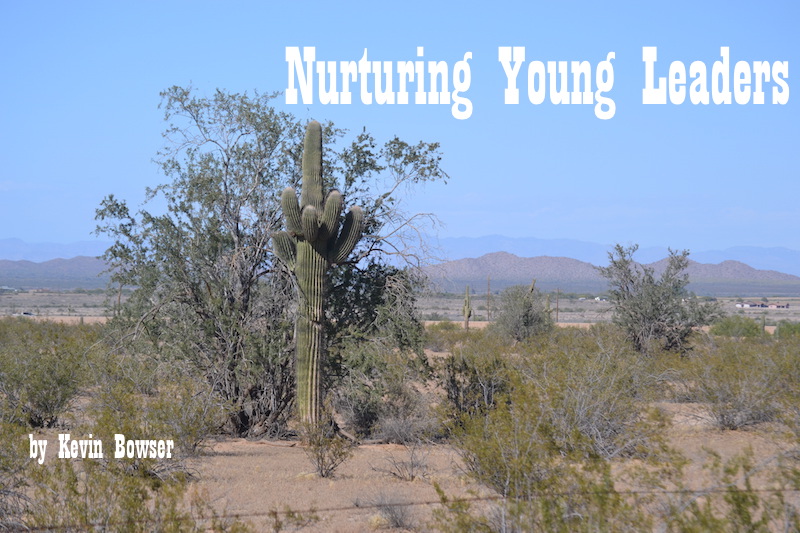
Welcome to the final Leadership Lesson from the Saguaro Cactus. I never expected this level of inspiration from a desert plant.

One of the things that I noticed about the young Saguaro cacti is that they sprout and grow in the shadow of another desert plant. They do not sprout and grow in the shadow of another Saguaro cactus.

I found that fascinating.

They are found in the shadow of what is called a “nurse tree” This is a larger, faster-growing tree that shelters a smaller, slower-growing tree or plant. The nurse tree can provide shade, shelter from wind, or protection from animals who would feed on the smaller plant.

In the Sonoran desert, Palo Verde, Ironwood or mesquite trees serve as nurse trees for young Saguaro cacti. As the Saguaro grows and becomes more acclimated to the desert sun, the older tree may die, leaving the Saguaro alone. In fact, as the Saguaro grows larger it may compete for resources with its nurse tree, and thus, hasten the death of the tree that protected and nurtured it. Consequently, young Saguaros are often seen near trees, but old Saguaros are not.

What does this have to do with leadership?

I am not sure it does.  In fact, I think it really has to do with the relationship between those that surround and, in many ways, nurture leaders and encourage leadership.

Click here to read the rest of the article »